Home
>
About Us
>
Bettersize Newsroom
>
News
>
Advancing Estuarine Research: Real-Time Particle Analysis at Wusongkou Hydrological Station
Advancing Estuarine Research: Real-Time Particle Analysis at Wusongkou Hydrological Station
2026-06-12News
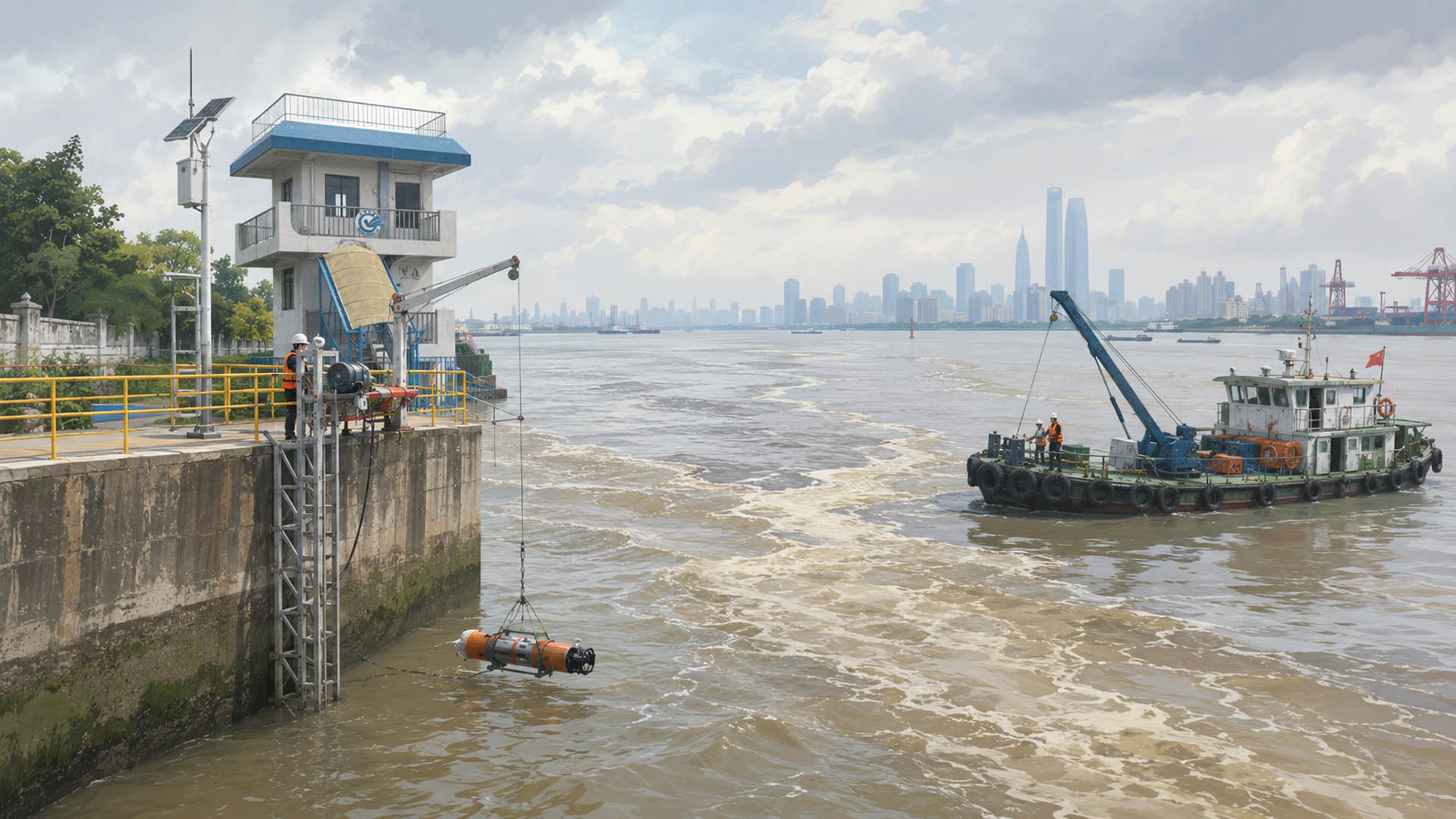 AI-generated for reference only
At the confluence of river and sea, water dynamics are rarely still, and understanding sediment transport has never been more critical. The Wusongkou Hydrological Station, located at the Yangtze River estuary, experiences the combined influence of upstream river discharge, tidal forces, and frequent vessel traffic, creating a highly dynamic environment that challenges conventional monitoring methods.
To capture the complexities of suspended sediment behavior, the station, in collaboration with the Jingjiang Bureau of the Yangtze River Water Resources Commission, conducted an in-depth field study focused on real-time monitoring and spatial analysis of suspended sediment concentration. Traditional sampling techniques and analysis methods are often limited by time delays, discontinuity, and vulnerability to fluctuating flow conditions.
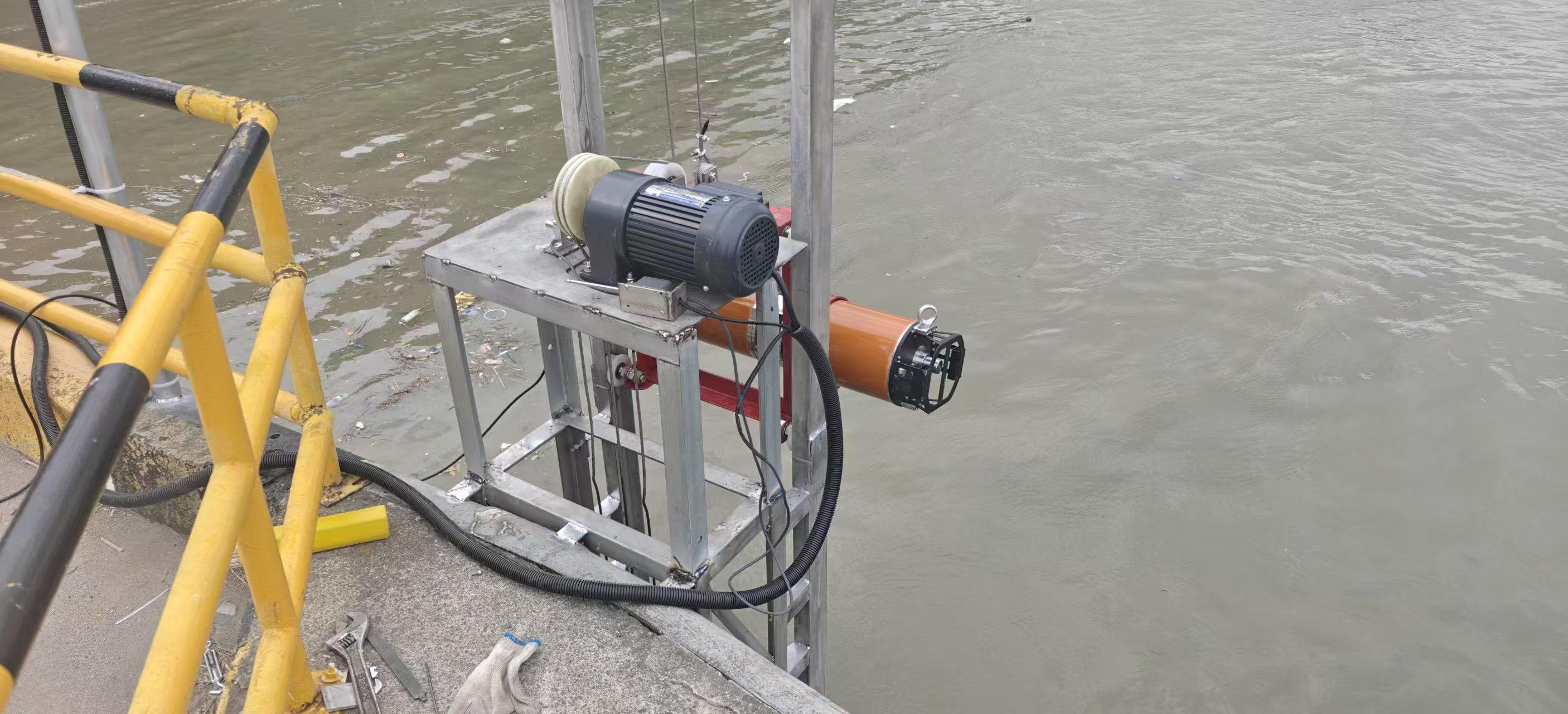
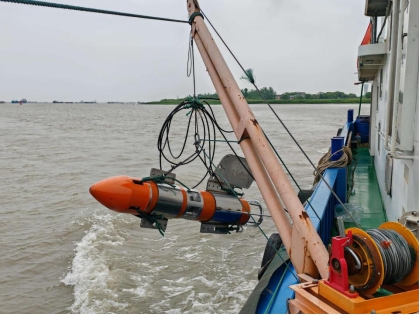
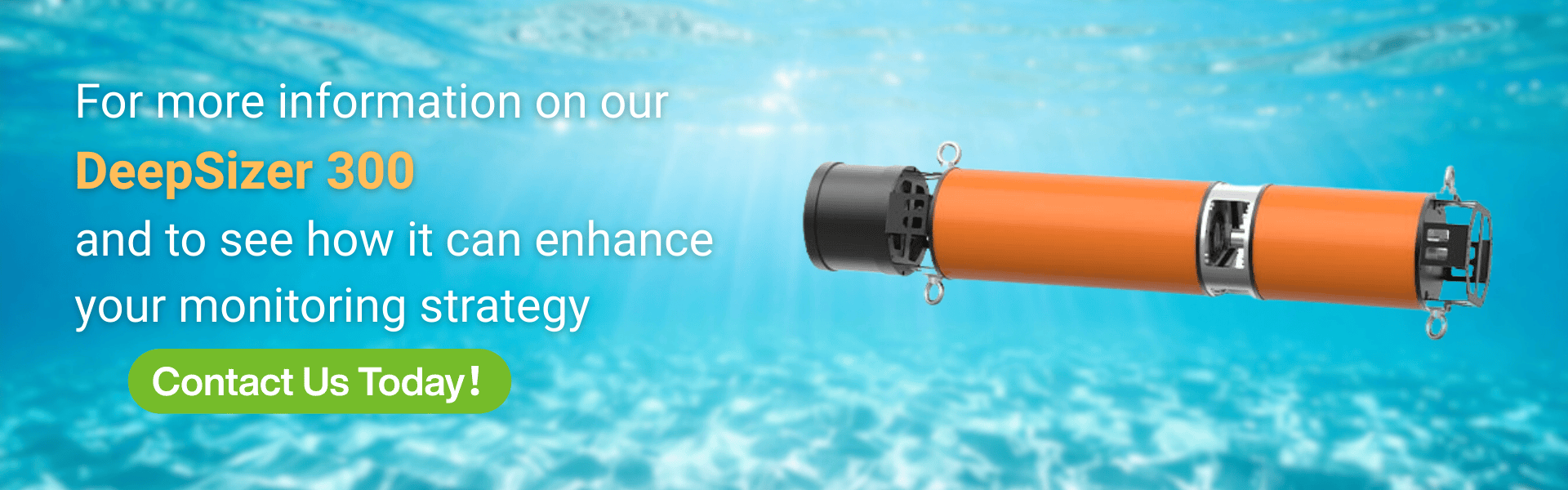
The study deployed the DeepSizer 300 Submersible Particle Size Analyzer, leveraging a dual-platform strategy to ensure comprehensive data collection. One system was installed via a lifting device at the station, providing continuous, fixed-depth monitoring. Simultaneously, a second system was mounted on a vessel equipped with a winch, enabling vertical profiling across multiple depths and transects.
By comparing data from fixed-station measurements with vessel-based observations, researchers evaluated whether single-point continuous monitoring could reliably capture the suspended sediment distribution across the river cross-section. The results confirmed that combining stationary and mobile measurements provides a more accurate, real-time understanding of sediment dynamics, capturing variations that occur over both temporal and spatial scales.
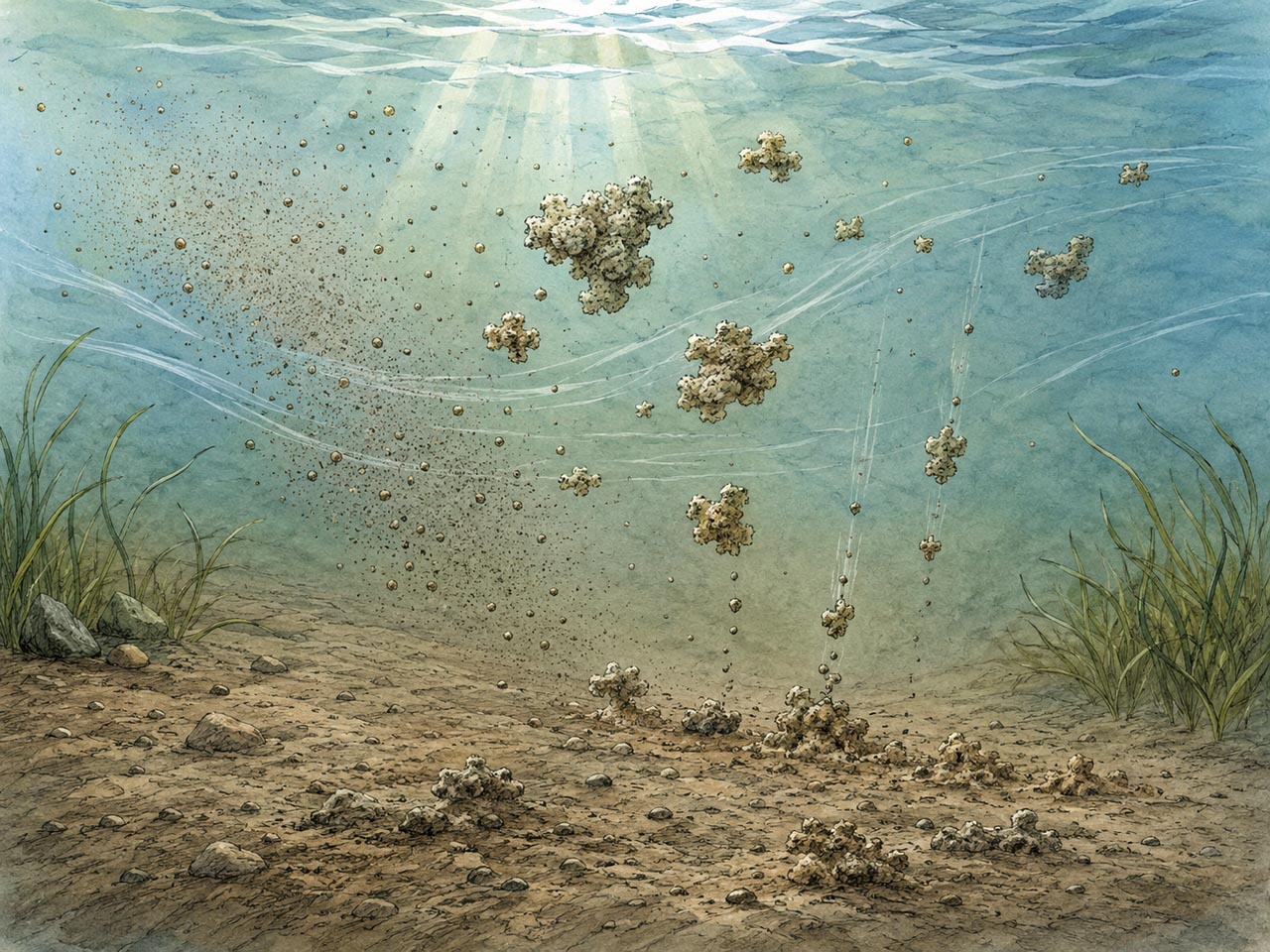
AI-generated for reference only
This deployment highlights the value of stable underwater operations, continuous real-time measurements, and advanced particle analysis in estuarine research. The insights gained are critical for understanding sediment transport, erosion, and deposition processes in one of the world’s most complex river-sea interfaces.
The Wusongkou initiative demonstrates how in-situ particle data can transform hydrological research, providing scientists and water resource managers with actionable intelligence to better predict and manage sediment dynamics in estuarine and coastal environments.
Rate this article
Share On


Recent News