
Why is particle shape so important?
2023-07-17WIKI
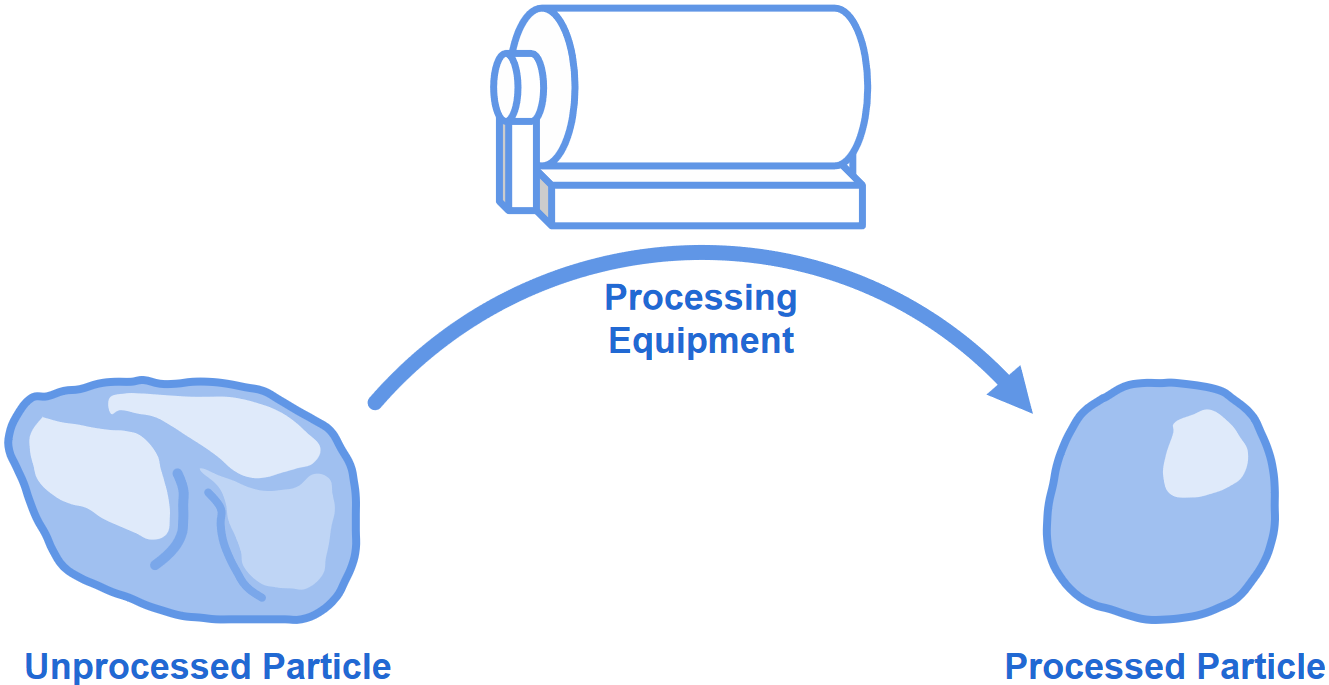
Particle shape is a factor that significantly affects the processing and performance of products. Therefore, it is critical to measure this parameter. Particle shape can be modified based on the desired performance in scientific and industrial research, improving product quality and performance. Here are some examples.
- In the manufacturing of inks and cosmetics, plate-shaped particles are prioritized for better reflection and adsorption;
- Granular particles are desired in rubber fillers, which are beneficial to abrasion resistance and strength;
- Long particles are required in plastic filters to improve the impact strength;
- Smooth spherical particles are commonly used to produce explosive, thus improving the stability;
- Polygonal shaped particles are necessary for abrasive to improve grinding efficiency.
 |
Struggling to grasp particle analysis concepts? Our new Beginner's Guide to Particle Analysis is here to help you grasp these concepts in the most accessible manner possible. Download it as a PDF to read on the train, on the plane, or wherever else there’s no internet. |

Recommended articles
Rate this article
Share On


Related Particle Size Analyzer
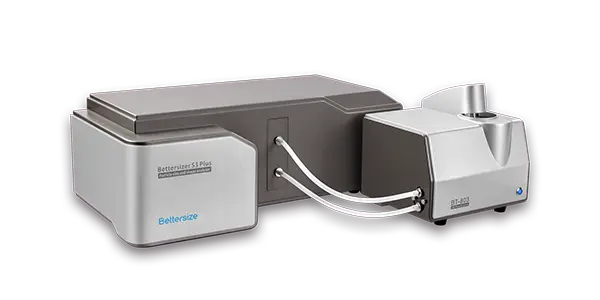
Bettersizer S3 Plus
Laser Diffraction Particle Size Analyzer
Measurement range: 0.01 - 3,500μm (Laser System)
Measurement range: 2 - 3,500μm (Image System)
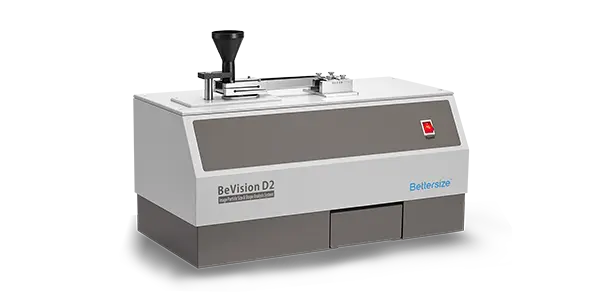
BeVision D2
Image Analyzer
Dispersion type: Dry
Measurement range: 30 - 10,000μm
Technology: Dynamic Image Analysis
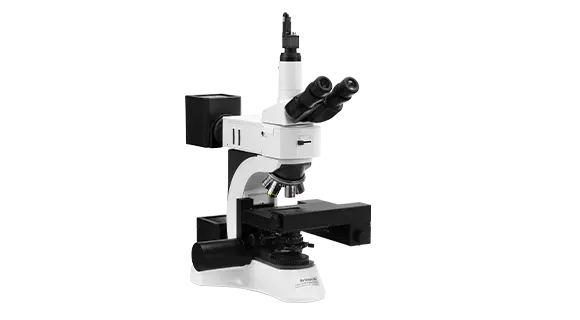
BeVision M1
Automated Static Image Analyzer
Dispersion type: Dry
Measurement range: 0.3 - 10,000 μm
Technology: Static Image Analysis
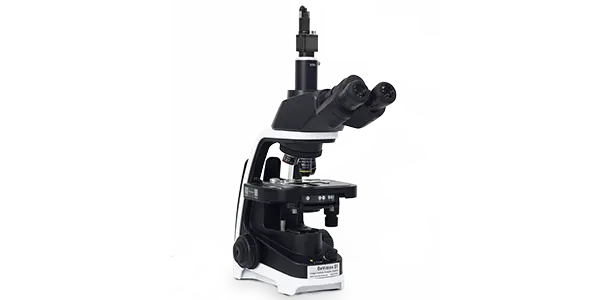
BeVision S1
Classical and Versatile Static Image Analyzer
Dispersion type: Dry & Wet
Measurement range: 0.3 - 4,500 µm
Technology: Static Image Analysis