
Which features of powder affect flowability?
2023-07-18WIKI
Flowability is influenced by many factors, such as particle size distribution, particle shape, density, and electrostatic state, among which the particle size distribution and particle shape are the most important elements. For example, according to research, the decrease in the proportion of the particles whose sizes are smaller than 100μm is conducive to increasing flowability.
 |
Struggling to grasp particle analysis concepts? Our new Beginner's Guide to Particle Analysis is here to help you grasp these concepts in the most accessible manner possible. Download it as a PDF to read on the train, on the plane, or wherever else there’s no internet. |

Recommended articles
Rate this article
Share On


Related Particle Size Analyzer
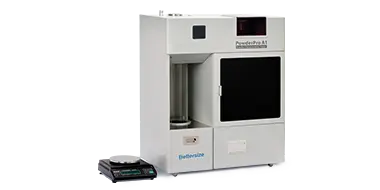
PowderPro A1
Powder Characteristics Tester
Operation Mode: Automatic
Tapping Speed: 50 - 300 taps/min
Repeatability: ≤3% variation
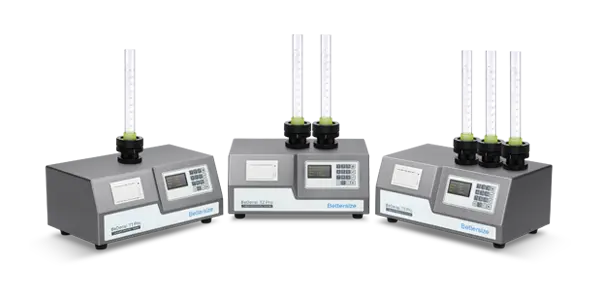
BeDensi T Pro Series
Tapped Density Tester with a Wallet-Friendly Solution
Number of Workstations: 1-3
Tapping Speed: 100 - 300 taps/min
Repeatability: ≤1% variation
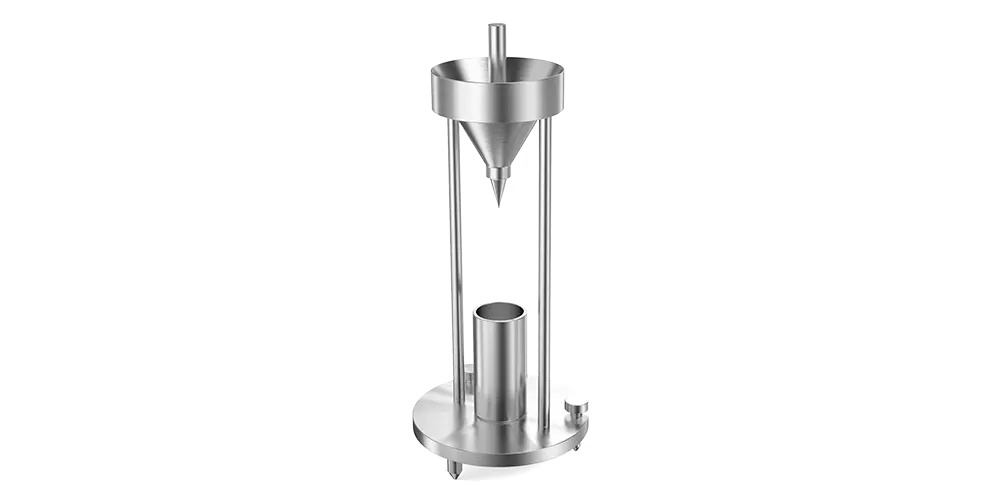
BeDensi B1
Bulk Density Tester
Measurement: Bulk Density(coarse powders)
Compliance with GB/T 16913
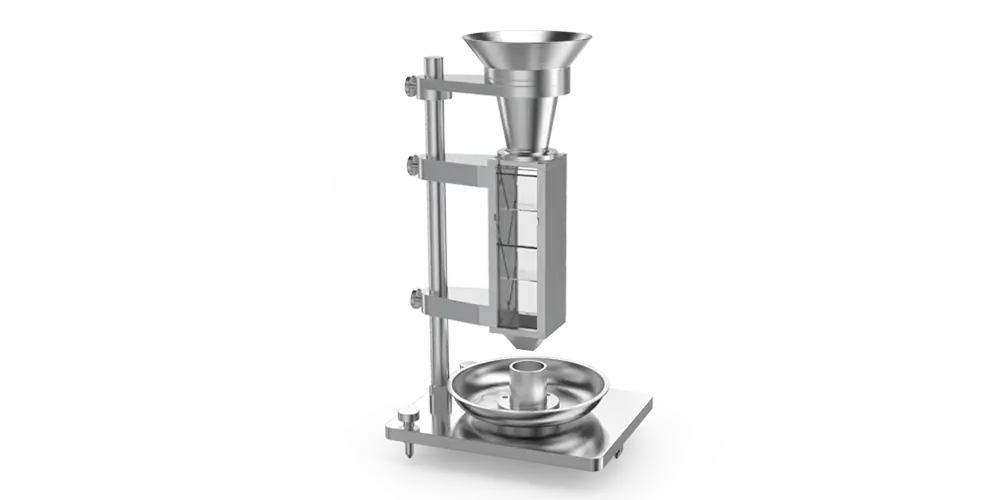
BeDensi B1-S
Scott Volumeter
Measurement: Bulk Density
Compliance with USP, Ph. Eur., ASTM, and ISO standards
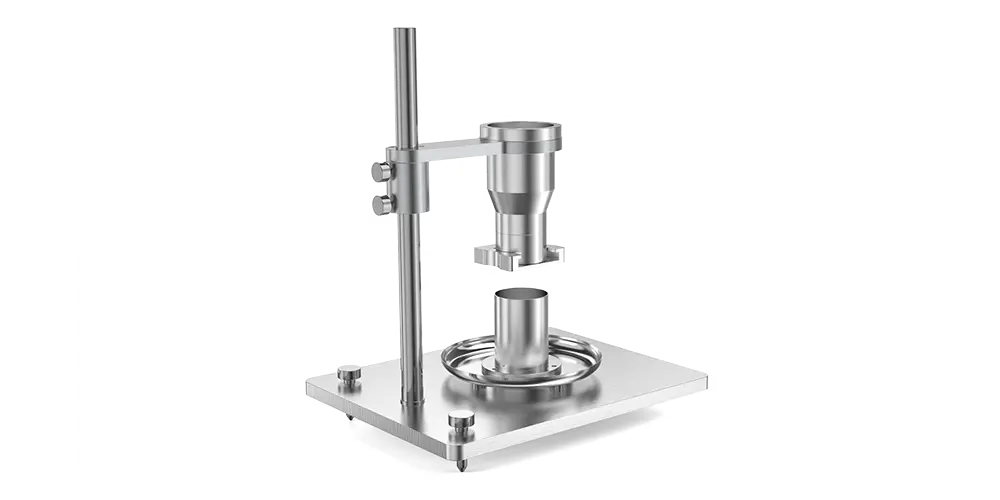
BeDensi P
Bulk Density Tester - Plastic
Measurement: Bulk Density
Compliance with ISO and GB/T standards
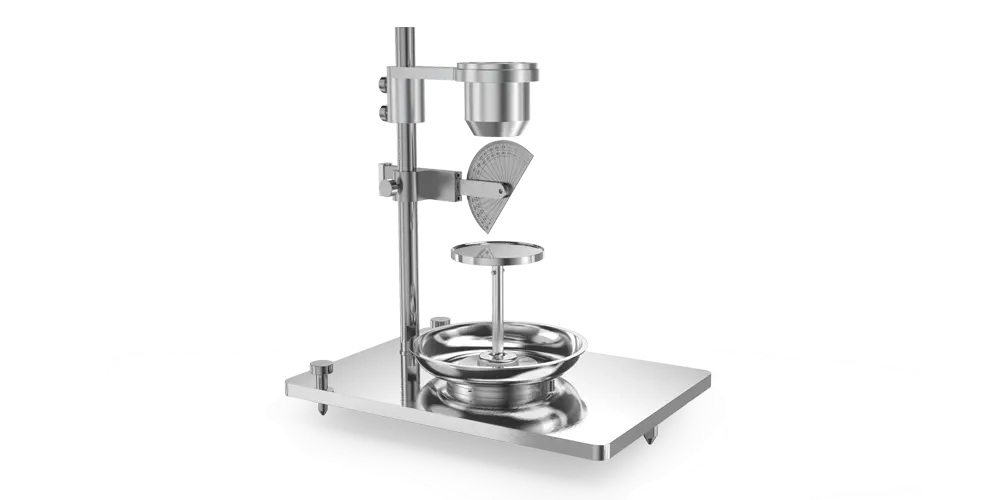
BeDensi AR
Angle of Repose Tester
Measurement: Angle of Repose
Compliance with USP and Ph. Eur. standards
BetterPyc 380
Automatic Gas Pycnometer
Technology: Gas Displacement Method
Temperature Range: 10 - 65 ℃
Resolution: 0.0001 g/cm³