
What is a dispersion?
2024-09-24WIKI
A dispersion is a system in which one or more substances, the dispersed phase, are distributed in another substance, the continuous phase. In a dispersion, the dispersed and continuous phases can coexist in the same state. Dispersions are categorized into solutions, colloids, and suspensions based on the size of the dispersed particles. In a solution, dispersed substances exist as molecules; While the size of dispersed substances normally ranges from 1nm to 1μm in a colloid. In a suspension, the millimeter-level suspended matter can be observed by the naked eye. The following figure lists some examples based on the types of continuous and dispersed phases.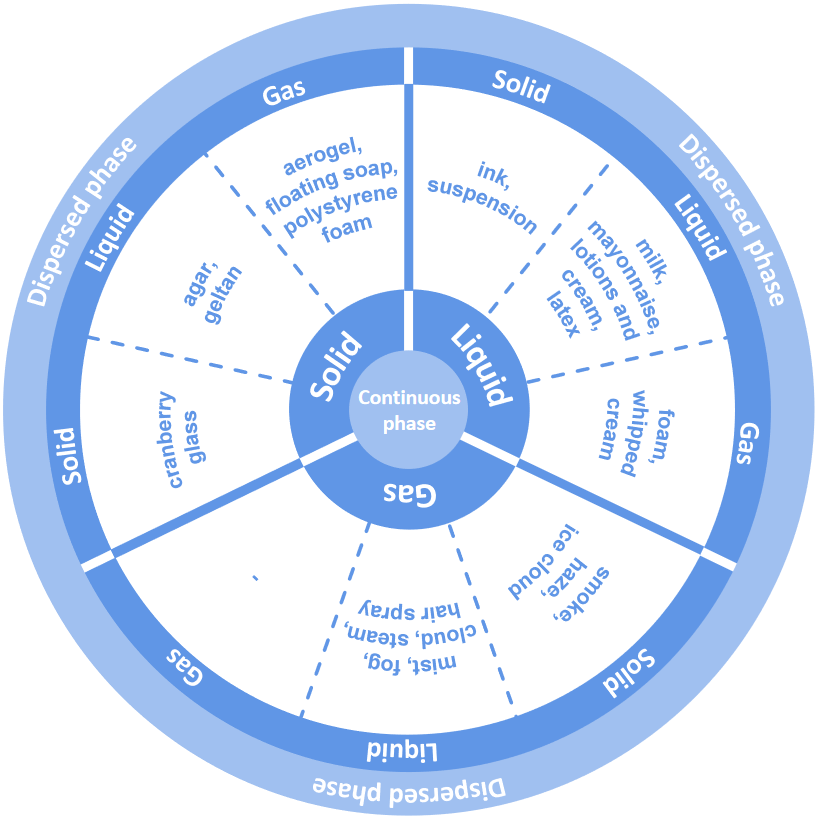
 |
Struggling to grasp particle analysis concepts? Our new Beginner's Guide to Particle Analysis is here to help you grasp these concepts in the most accessible manner possible. Download it as a PDF to read on the train, on the plane, or wherever else there’s no internet. |

Recommended articles
Rate this article
Share On


Related Particle Size Analyzer
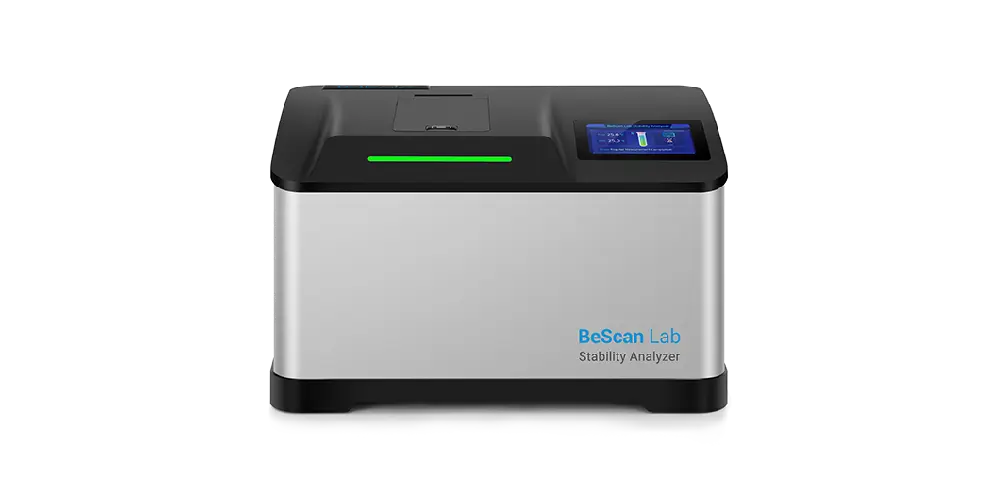
BeScan Lab
Stability Analyzer
Particle size ranges from 10 nm to 1 mm
Volume fraction up to 95%
Compliance with ISO/TR 18811, 13097, 21357, 22107