
What are D[4,3] and D[3,2]?
2023-07-13WIKI
D[4,3] and D[3,2] are the mean diameters of the particle size based on volume-weighted and area-weighted mean results, respectively. Different mean diameters are used to compare results with different techniques. For example, if results from the volume-based laser diffraction method are compared, then the D[4,3] volume-weighted mean result is preferred. If, however, the measurement results emanating from an image analysis system are compared, D[3,2] area-weighted mean result is prioritized.
The calculation of the mean diameter based on different weighting is shown below:
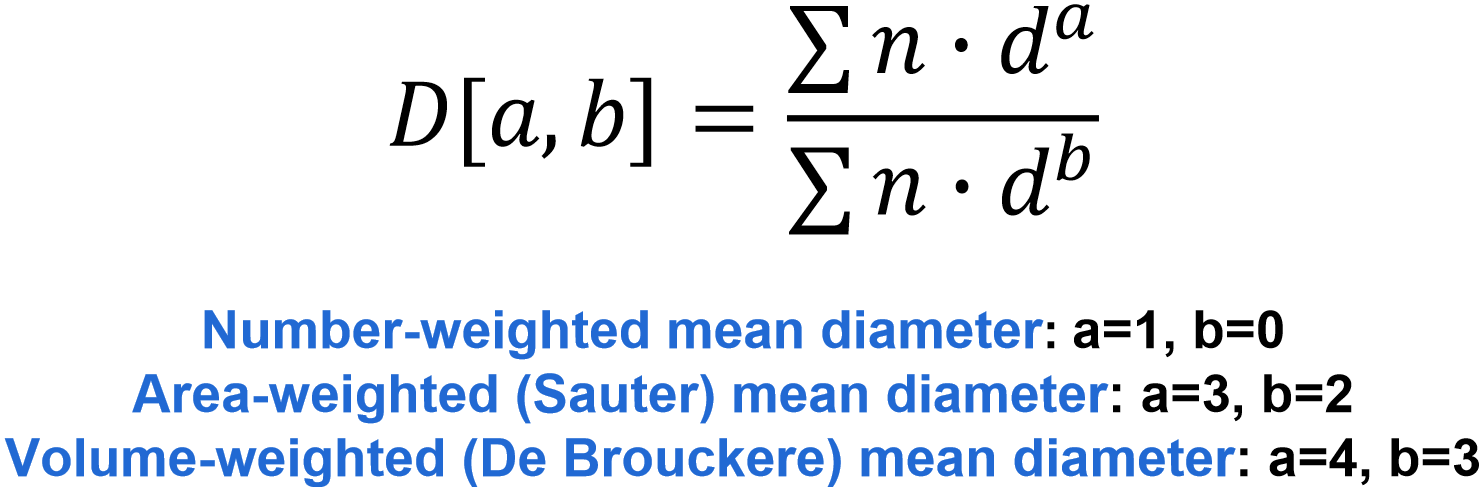
For example, two spheres are available, whose diameters are 1μm and 10μm, respectively. If the number-weighted mean diameter is required, then the number-weighted mean diameter is:

In this case, the mean diameter shows the quantitative relationship that corresponds to number-weighted.
Suppose the mean diameter of the system needs to be systematically reflected. In that case, the volume-weighted mean diameter shown below should be applied, which indicates that the volume of the large particle has occupied more than 99.9% of the system volume.

 |
Struggling to grasp particle analysis concepts? Our new Beginner's Guide to Particle Analysis is here to help you grasp these concepts in the most accessible manner possible. Download it as a PDF to read on the train, on the plane, or wherever else there’s no internet. |

Recommended articles
Rate this article
Share On


Related Particle Size Analyzer
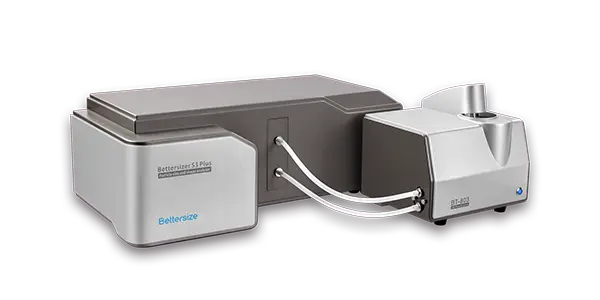
Bettersizer S3 Plus
Laser Diffraction Particle Size Analyzer
Measurement range: 0.01 - 3,500μm (Laser System)
Measurement range: 2 - 3,500μm (Image System)
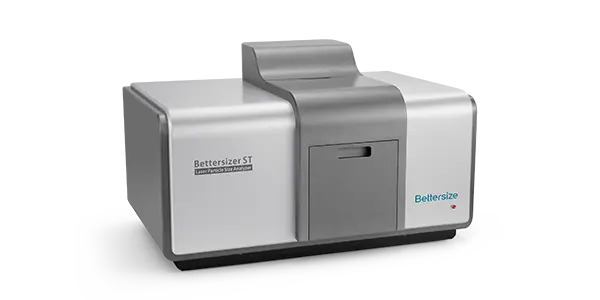
Bettersizer ST
One-stop Particle Size Analyzer
Dispersion type: Wet
Measurement range: 0.1 - 1,000µm
Repeatability: ≤1% variation

Bettersizer 2600
Particle Size Analyzer
Measurement range: 0.02 - 2,600μm (Wet dispersion)
Measurement range: 0.1 - 2,600μm (Dry dispersion)