
How to measure high-viscosity samples?
2024-09-24WIKI
High-viscosity samples suffer from poor-quality meniscus since the uneven top of the introduced sample causes chaos signals in most cases that lead to confusion and misunderstanding during result analysis. The solution to high-viscosity samples is coring sample cell. Users are allowed to place the sample on the bottom stopper first. Then users seal the sample cell and ensure the external surface of the sample cell is clean in case of leakage and contamination. Finally, the sample should be handled with a centrifuge to flatten its top by means of centrifugal force.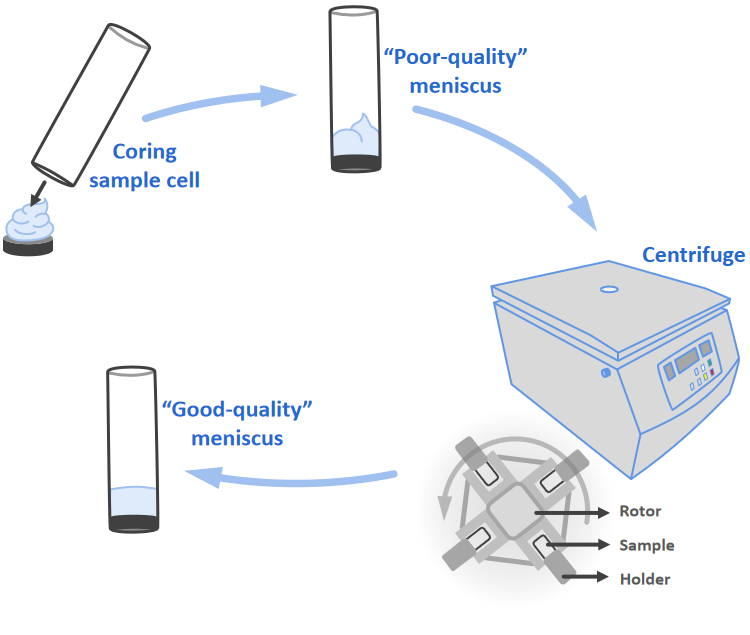
 |
Struggling to grasp particle analysis concepts? Our new Beginner's Guide to Particle Analysis is here to help you grasp these concepts in the most accessible manner possible. Download it as a PDF to read on the train, on the plane, or wherever else there’s no internet. |

Recommended articles
Rate this article
Share On


Related Particle Size Analyzer
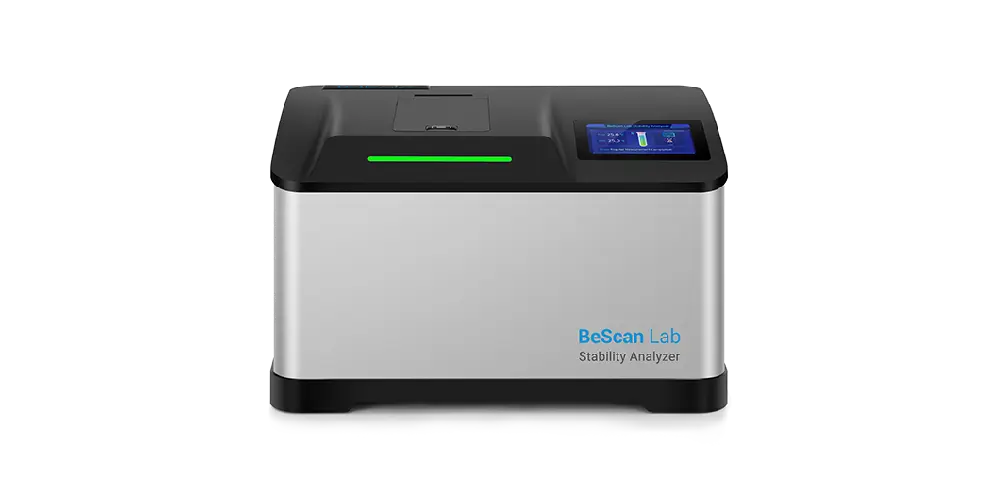
BeScan Lab
Stability Analyzer
Particle size ranges from 10 nm to 1 mm
Volume fraction up to 95%
Compliance with ISO/TR 18811, 13097, 21357, 22107