
How to choose a proper obscuration range?
2022-12-07WIKI
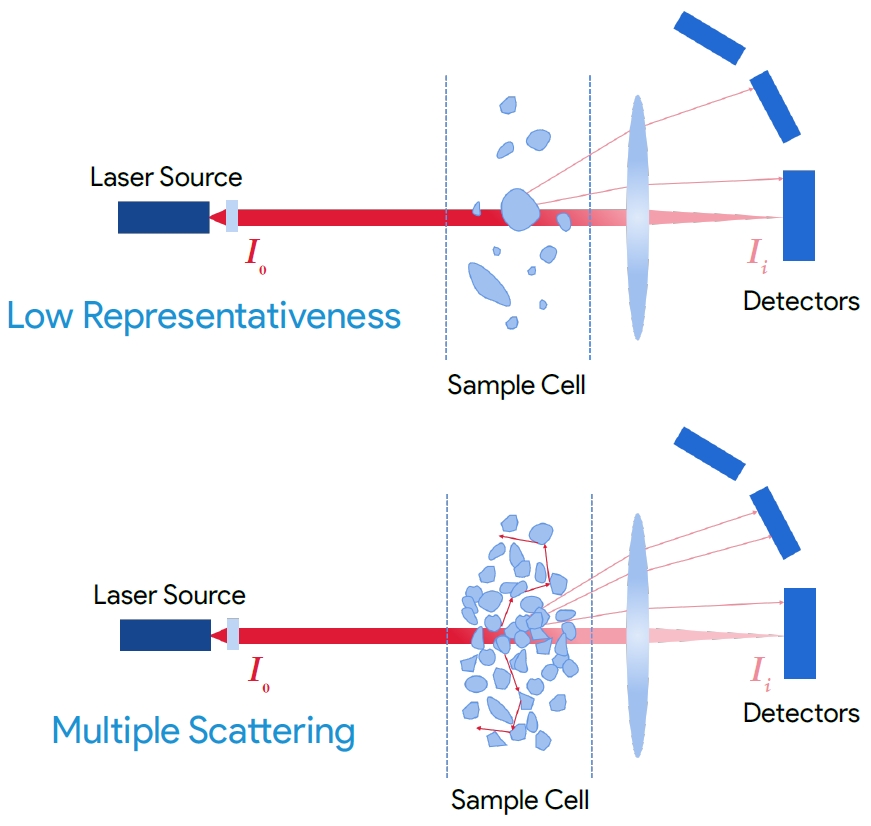
In general, laser diffraction particle size analysis is carried out when the obscuration of the sample in the flow stream is between 10 and 15%. A proper working obscuration lies between having too few particles thus affecting statistical representativeness, and too many particles leading to multiple scattering and hence undersizing of the particle results. In other words, if the obscuration is set between 10 and 15%, multiple scattering can be avoided, and sampling representativeness can be guaranteed.
Small particles have a more significant impact on the obscuration. For samples of the same volume, samples with smaller particle size distributions have more particles, leading to higher obscurations and, therefore, the potential for multiple scattering if the obscuration is higher than the upper recommended obscuration limit. According to experience, the proper obscurations for large particles are higher than those for smaller particles during measurement.
 |
Struggling to grasp particle analysis concepts? Our new Beginner's Guide to Particle Analysis is here to help you grasp these concepts in the most accessible manner possible. Download it as a PDF to read on the train, on the plane, or wherever else there’s no internet. |

Recommended articles
Rate this article
Share On


Related Particle Size Analyzer
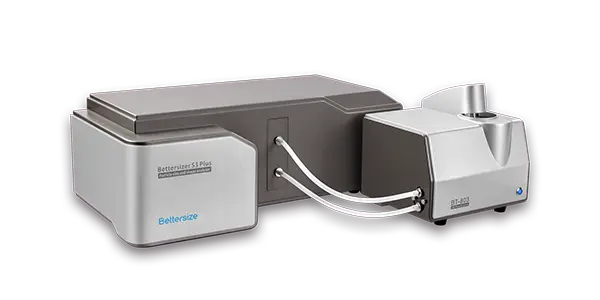
Bettersizer S3 Plus
Laser Diffraction Particle Size Analyzer
Measurement range: 0.01 - 3,500μm (Laser System)
Measurement range: 2 - 3,500μm (Image System)
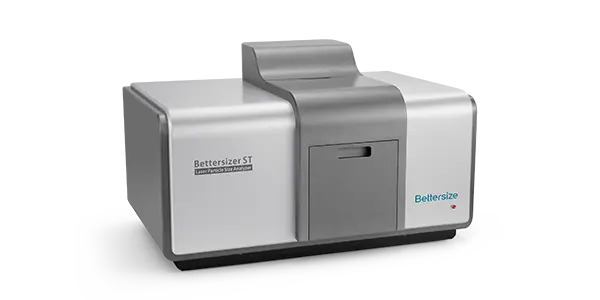
Bettersizer ST
One-stop Particle Size Analyzer
Dispersion type: Wet
Measurement range: 0.1 - 1,000µm
Repeatability: ≤1% variation

Bettersizer 2600
Particle Size Analyzer
Measurement range: 0.02 - 2,600μm (Wet dispersion)
Measurement range: 0.1 - 2,600μm (Dry dispersion)