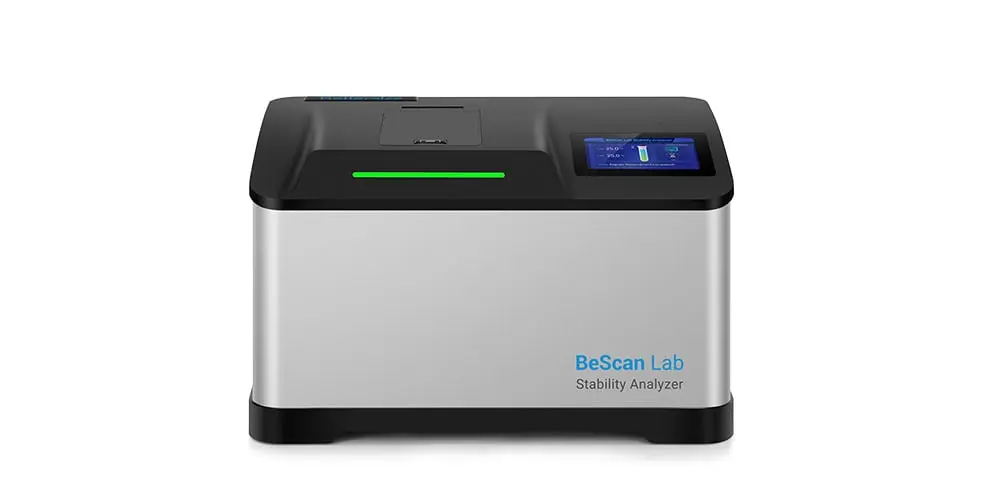
BeScan Lab
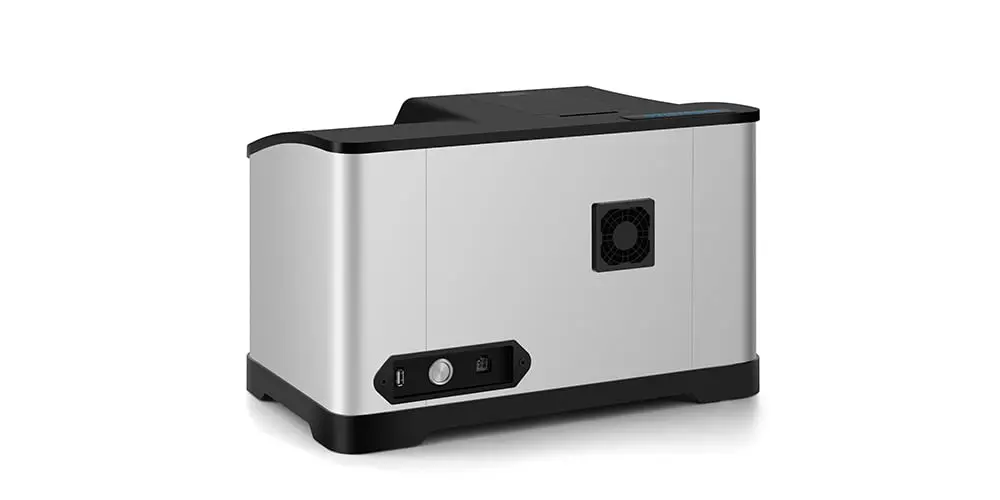
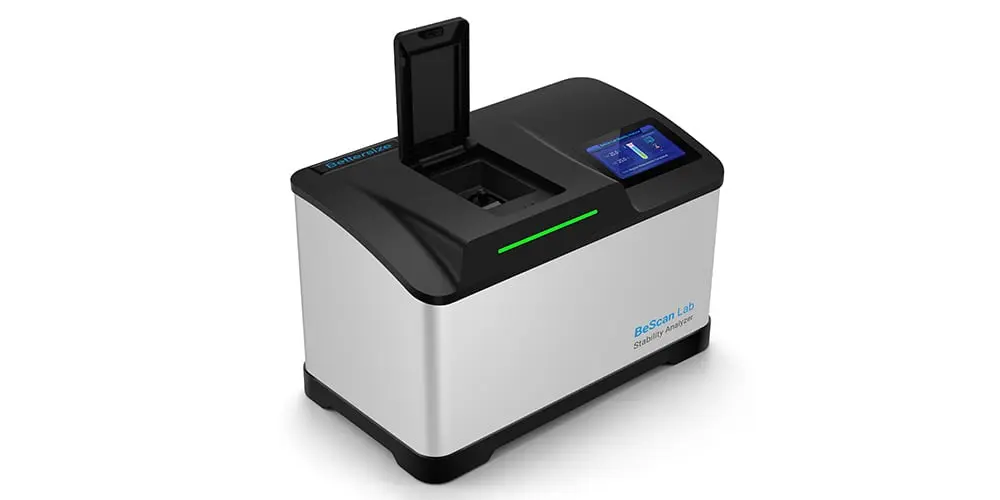
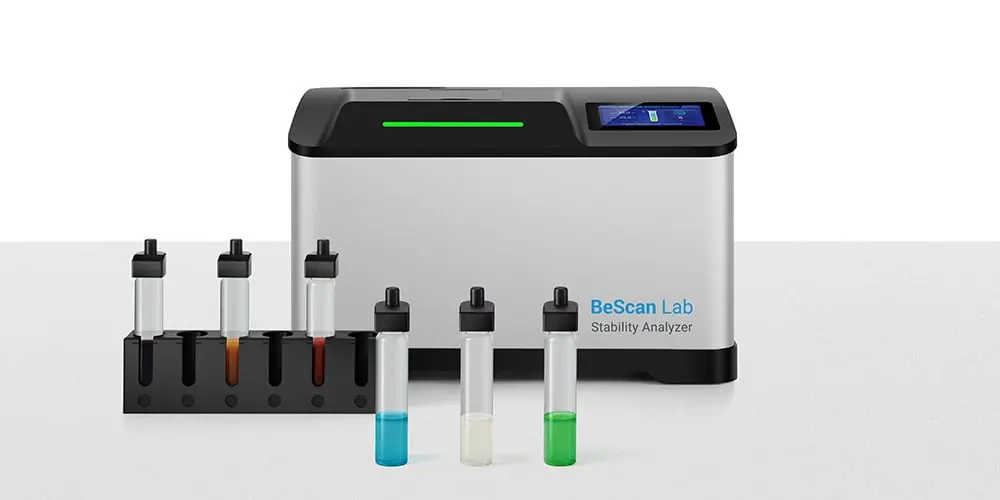
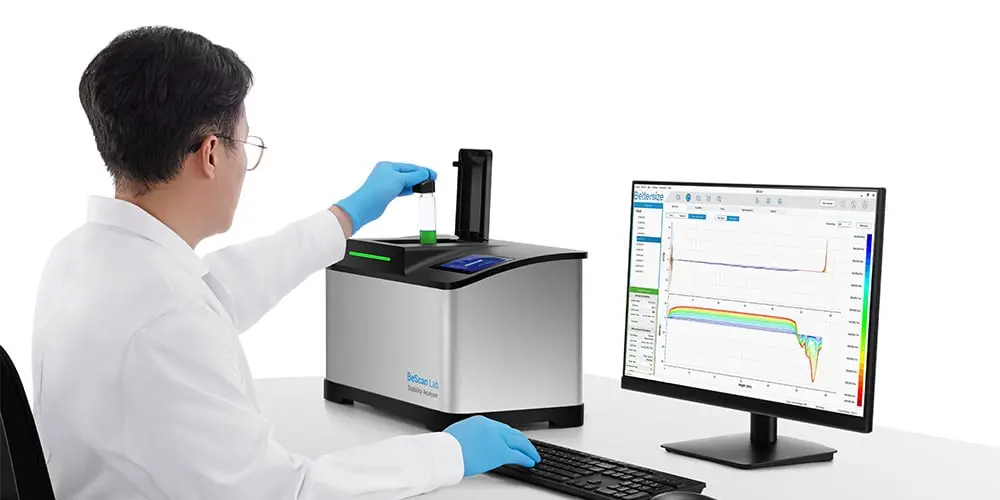
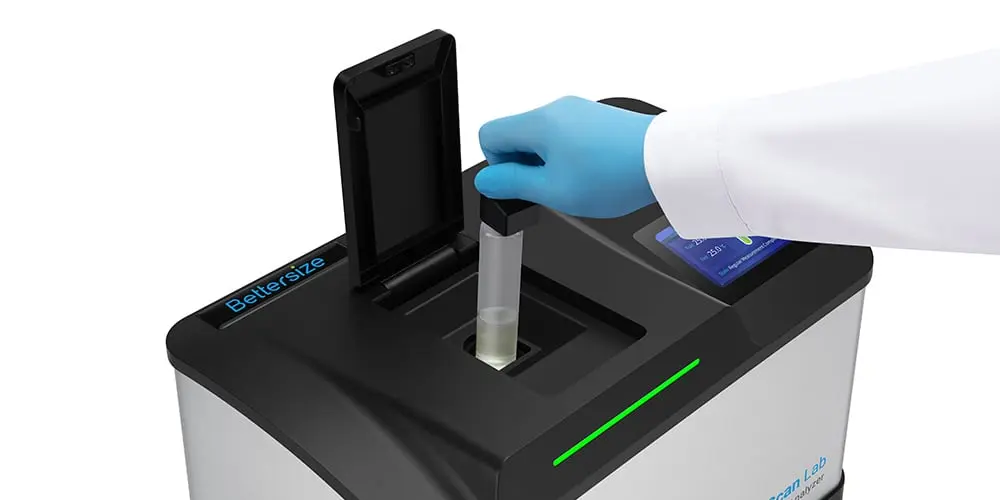
BeScan Lab, the versatile, sensitive, and reliable stability analyzer based on Static Multiple Light Scattering (SMLS) technology, is widely used in the formulation development and product quality control. It accommodates a wide range of sample concentrations up to 95% v/v and types such as emulsions, suspensions, and foams, with temperature scanning capabilities reaching up to 80 °C. BeScan Lab provides both qualitative analysis and quantification of destabilization, helping you monitor long-term product stability and achieve optimal shelf life.
Features and Benefits
- ● Real stability analysis for dispersions with volume fraction up to 95%
- ● Particle size measurement range from 0.01 to 1,000 μm
- ● Non-destructive stability analysis: Non-contact, non-dilution, non-shearing
- ● 20 µm resolution data acquisition enables quicker sample stability observation than the naked eye
- ● Temperature control up to 80 °C to accelerate destabilization
- ● Identification of various unstable phenomena: creaming, sedimentation, flocculation, coalescence, and phase separation
- ● Quantification of destabilizations and study of kinetics